Understanding Hyperbaric Oxygen Treatment
Discover the Benefits of Hyperbaric Healing
More about Hyperbaric Oxygen Therapy
FDA-Approved / UHMS-Approved Conditions
- Air or Gas Embolism
- Crush Injury & Acute Traumatic Ischemia
- Carbon Monoxide Poisoning
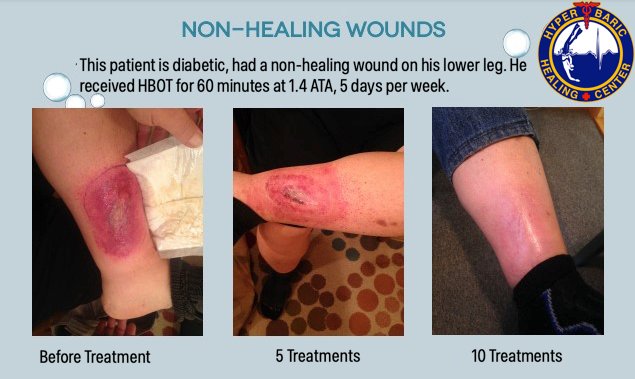
- Diabetic Foot Ulcers & Selected Problem Wounds
- Decompression Sickness
- Delayed Radiation Injury
- Necrotizing Soft Tissue Infections
- Gas Gangrene
- Exceptional Blood-Loss Anemia
- Intracranial Abscess
- Osteomyelitis – Refractory
- Compromised Skin Grafts & Flaps
- Acute Thermal Burns
- Sudden Sensorineural Hearing Loss
- Central Retinal Artery Occlusion / Acute Arterial Insufficiency
Emerging Uses Of HBOT
- Anti-Aging & Wellness
- Traumatic Brain Injury
- Tendon & ligament injuries
- Concussion & Stroke Recovery
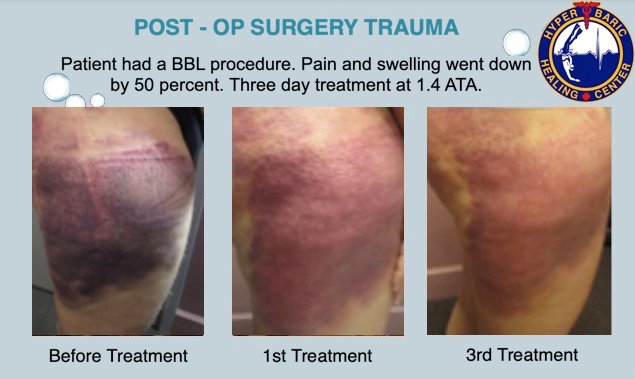
- Post-Surgical Recovery
- Autism
- Athletic performance optimizatio
- Alzheimer’s Disease
- Parkinson’s Disease
- Multiple Sclerosis
- Lyme Disease & Long COVID
- Fibromyalgia
- Chronic Pain & Arthritis
- Sports Injuries
- Skin rejuvenation
- Chronic Fatigue Syndrome
Frequently Asked Questions On HBOT
HBOT is a medical treatment where you breathe 100% oxygen inside a pressurized chamber, increasing oxygen delivery to tissues to promote healing and reduce inflammation.
By raising atmospheric pressure, your bloodstream absorbs significantly more oxygen, helping damaged tissues repair, fight infection, and reduce swelling.
Yes. HBOT is FDA-cleared for conditions such as carbon monoxide poisoning, diabetic foot ulcers (Wagner Grade III or higher), radiation injury, gas gangrene, crush injuries, decompression sickness, severe anemia, and several other medical indications.
HBOT 2.0” refers to modern hard-chamber therapy at medical-grade pressures (typically 2.0 ATA), offering deeper tissue oxygenation than mild/soft chambers.
Yes. HBOT is considered very safe when performed at a facility with trained technicians and proper monitoring.
Most patients feel pressure in their ears similar to flying or diving; otherwise, the session is relaxing and painless.
A typical treatment lasts 65–90 minutes depending on the protocol.
This depends on the condition. Acute cases may require just a few sessions; chronic conditions may require 20–60 treatments for optimal results.
FDA-cleared conditions as well as emerging uses like anti-inflammation, post-concussion symptoms, wellness recovery, and tissue repair.
Many athletes and individuals use HBOT to reduce inflammation, speed recovery, and improve energy.
Wear comfortable and light-weight clothing. Feel free to bring a blanket. No oils, fragrances, or sprays prior to entering the chamber. You are permitted to bring your phone or tablet inside to help the time pass.
Yes. Modern chambers are spacious, clear, and comfortable. Many patients with mild claustrophobia tolerate it very well.
Insurance typically covers FDA-approved conditions only. Wellness and off-label uses are usually self-pay. Unfortunately at this time our center does not accept insurance. Please call your insurance to see what locations are in your network.
Some people feel improvement after a few sessions, but most experience significant results after completing a full treatment series.
Temporary ear pressure is the most common. Rare side effects include temporary vision changes or oxygen sensitivity. All are monitored clinically.
Clients Reviews
Every review reflects our commitment to comfort, safety, and exceptional care. Consistent, positive outcomes from clients using our clinical-grade hyperbaric and red-light therapies.


Posted on GoogleTrustindex verifies that the original source of the review is Google. Super nice staff, very helpful and flexible hours. Clean and comfortable. Affordable. 5 stars well deserved.Posted on GoogleTrustindex verifies that the original source of the review is Google. These folks are the most affordable Hyperbaric Oxygen Therapy providers in Los Angeles. Hands down. David is accomdating and patient and a real professional. They also have there hyperbaric certificate on display, which I was happy to see. I looked at other providers and they ranged often 2 to 5 times more expensive. I am grateful for their service.Posted on GoogleTrustindex verifies that the original source of the review is Google. Thank you, David. I was nervous at first, but he helped me through it. He’s very kind and patient, which makes you feel comfortable with everything. After a few sessions, it really helped me out with my insomnia, now I’m able to sleep better.Posted on GoogleTrustindex verifies that the original source of the review is Google. Great place to speed up recovery from surgery. Many have the soft ones but this is a hard shell with 2.0 ATA. David is great and monitors you . It is calming, peaceful and healing. If you don’t know about hyperbarics, research it. It has so many wonderful benefits. This place is welcoming, and David will work with your schedule. I definitely recommend this place highly.Posted on GoogleTrustindex verifies that the original source of the review is Google. If you’re looking for a place that truly focuses on hyperbaric therapy, this is an excellent location. The staff is knowledgeable and attentive, making the entire experience comfortable and reassuring. The environment is clean and professional, and I appreciated how well everything was explained before the session. Highly recommend for anyone seeking quality hyperbaric treatment.Posted on GoogleTrustindex verifies that the original source of the review is Google. I’ve had the most wonderful experience with David. I tried both the soft and hard shell machine. Both machines make you feel great afterward. I too came here for post operative care. I’ve had a previous surgery where I developed an infection and it was not fun. This time around, I made sure I took better care of my incisions. I definitely credit my better healing to having done these hyperbaric healing sessions. David is very thoughtful and really cares about all of his customers. It’s also very clean. I have nothing but great things to say about my experience and I would definitely recommend these sessions at this location to anyone in need of post-operative care. I plan to continue to come.Posted on GoogleTrustindex verifies that the original source of the review is Google. This place is amazing! I saw my surgeon 6 weeks after surgery and he was amazed by my recovery! David is kind, considerate, professional and courteous. Hours are extremely flexible and this place is so soothing! Highly recommending David to anyone that will listen.Posted on GoogleTrustindex verifies that the original source of the review is Google. Thank you, David! Such a professional and admirable person. He is compassionate and truly cares for all his clients! He recently expanding to a new hard shell hyperbaric chamber and it’s amazing. Still super spacious as is with the soft shell. I have used both and I always recommend anyone to come here. I have been to other locations including recovery labs and they come no where near how great David is. Thank you!Posted on GoogleTrustindex verifies that the original source of the review is Google. Thank you so much David. I love Hyperbaric Healing Center. The owner is so kind and knowledgeable. I have gone to Recovery Labs before, and their beds are so small and dirty! I didn’t feel that I was benefiting and after seeing that they don’t clean them I didn’t continue. I’m a NICU RN and I loved how clean this place is. The oxygen bed here feels massive and gives off better pressures than others I have tried. I’m recovering from a traumatic brain injury and really feel the improvement just after several sessions here. Consistency is key and having an awesome place you can genuinely trust helps!!Posted on GoogleTrustindex verifies that the original source of the review is Google. I had a bbl procedure and I started forming a hard mass. I needed a 24/7 appointment out of desperation I found this place. It was such a scary moment to have a bbl procedure go wrong. I could honestly say this could have possibly savedmy life. They don’t tell you the dangers about procedures so please do not wait. If you feel your bbl getting hard or mass you need oxygen chamber right away. After two sessions my mass began going away. I did the six sessions and it was gone. My skin was back to being soft. A Plus was that they have BBL pillows to lay down. Thankful for the technician David.Verified by TrustindexTrustindex verified badge is the Universal Symbol of Trust. Only the greatest companies can get the verified badge who has a review score above 4.5, based on customer reviews over the past 12 months. Read more
More about Red Light Therapy
FDA-Approved Uses
- Skin rejuvenation / anti-aging
- Acne reduction
- Hair regrowth (androgenetic alopecia)
- Relief of minor muscle pain
- Relief of joint pain
- Relief of arthritis-related pain
- Increased local blood circulation
Emerging Uses Of RLT
- Wound healing
- Scar reduction
- Stretch mark improvement
- Muscle recovery / performance
- Chronic pain conditions (broader uses)
- Cognitive enhancement
- Mood improvement
- Sleep improvement
- Fat loss / body contouring
- Cellulite reduction
- Thyroid support
- Neuroprotection / brain health
- Hormone balancing
- Immune system boosting
- Vision-related improvements
Frequently Asked Questions On Red Light Therapy
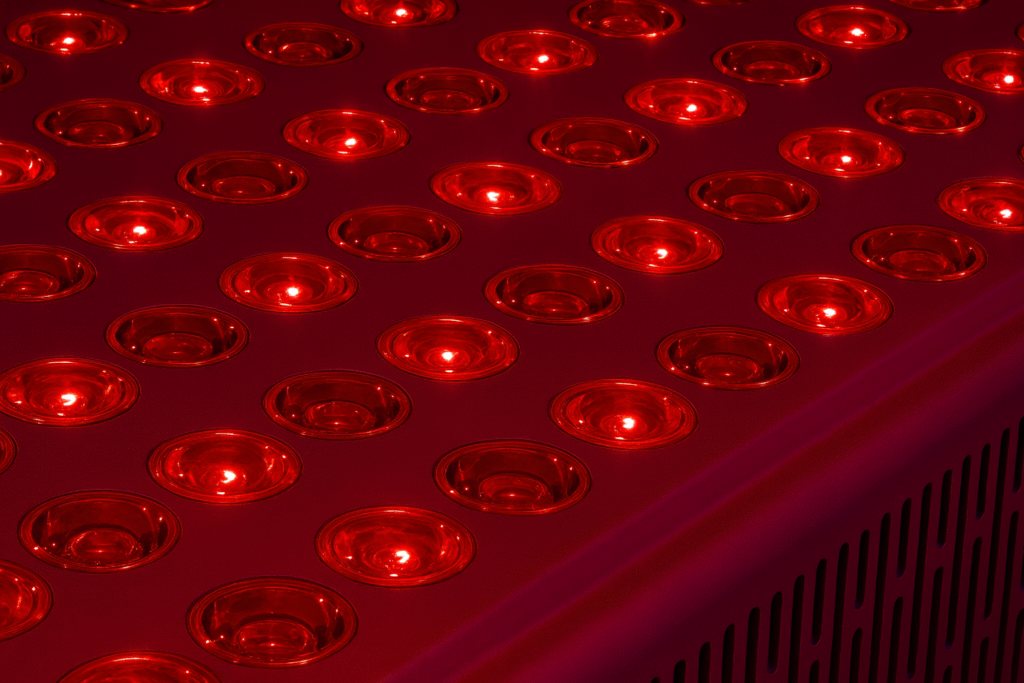
A non-invasive treatment using red and near-infrared light to support healing, skin health, and cellular energy.
Yes — some devices are cleared for temporary relief of muscle and joint pain.
Yes — when used proper FDA approved quality devices.
Skin anti-aging, acne, hair growth, pain relief, and inflammation reduction.
Devices are FDA-cleared for specific use.
Anywhere from a few sessions for pain relief to 4–12 weeks for skin and hair benefits.
Typically 3–5 times per week at first, then maintenance.
Yes — too much light can reduce effectiveness. Sessions are usually 5–20 minutes depending on the device.
No. It should feel warm at most, not hot or burning.
Yes — all skin tones and types can safely use red and near-infrared light.
No. Red/NIR light does NOT contain UV, so it won’t tan or damage the skin.
Clinical devices are stronger and deliver results faster.
Yes — it is commonly paired with hyaluronic acid, moisturizers, and collagen-supporting products.
Yes — it stimulates collagen production and is FDA-cleared for facial wrinkle improvement.
Minimal — slight redness or dryness if overused.
Red light (620–700 nm): Best for skin surface.
Near-infrared (700–1000 nm): Penetrates deeper for muscle, joints, and recovery.